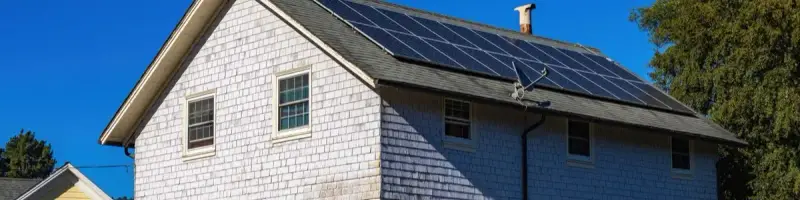
Pasco Premium Roofing: Roof Replacement, Repair & Low-Slope Work
Residential and commercial roofing across the Tri-Cities. Free written quotes, and an honest answer when the cheaper option is right.
Registered Washington contractor under chapter 18.27 RCW, verifiable by number·Written contracts that meet chapter 19.186 RCW in full·Assemblies drawn to the City of Pasco design criteria sheet·Free written quotes, and a plain no when a repair is enough
Pasco Premium Roofing handles roof replacement, leak repair, low-slope membrane work, metal panel, coatings and ventilation across Pasco and the wider Tri-Cities. We work in laminated and SBS-modified asphalt shingle, standing seam and exposed-fastener steel, reinforced thermoplastic membrane and two-ply modified bitumen.
What sets the work apart here is what governs it. Pasco publishes its own design criteria, and they say twenty pounds of ground snow, a 110 mile per hour ultimate wind in Exposure Category C, an air freezing index of 808, a summer moisture load of minus eleven grains, and no ice shield requirement at all. That is a roof that fails by heat, movement and wind rather than by water.
So our specifications answer those numbers instead of a generic national manual. Tighter fastening through the corner and perimeter zones, sealants chosen by published movement class, high-temperature underlayment, intake screens coarse enough to pass basin dust, and drainage sized for a twenty-minute summer cloudburst rather than an annual rainfall total. Every quote we write is itemized, priced from a measured plan, and permitted in this company's own name.
Roofing Work We Do in Pasco
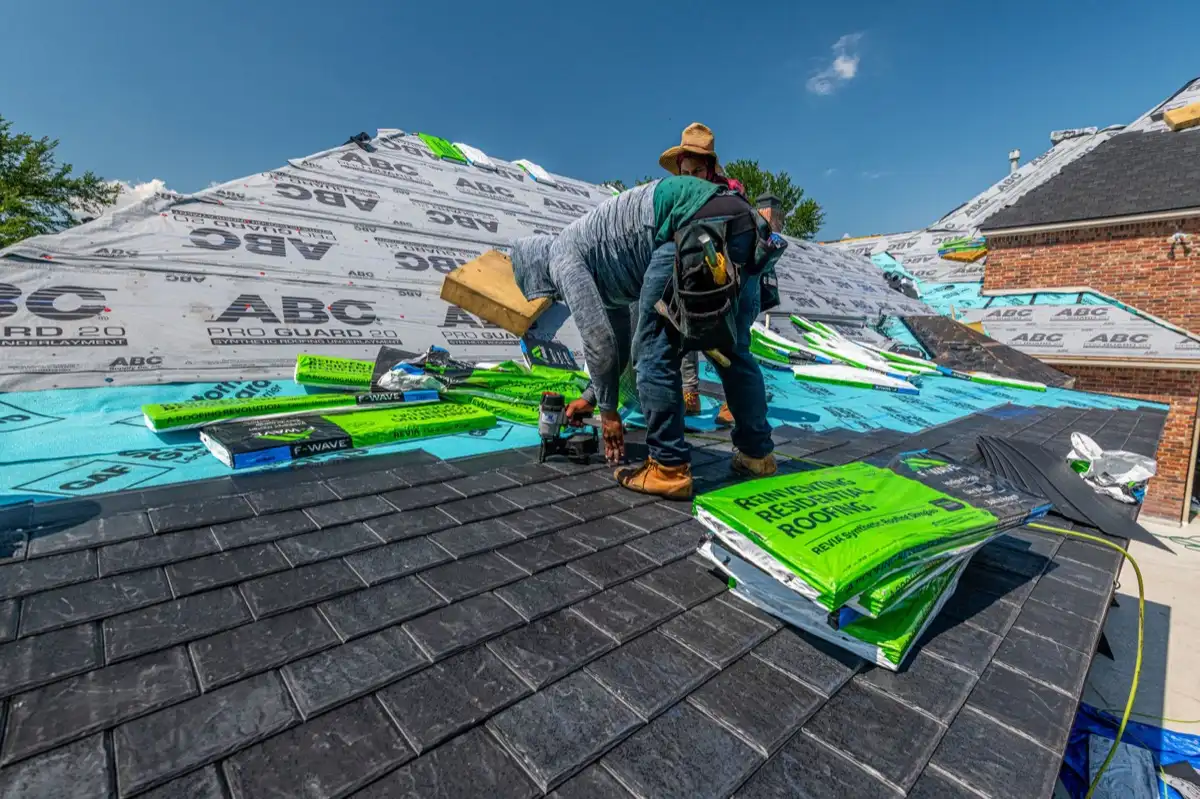
Roof Replacement
A tear-off here starts with the City of Pasco design sheet rather than a shingle sample. Twenty pounds of ground snow, a 110 mph ultimate wind at Exposure C, and a printed line saying no ice shield is required.
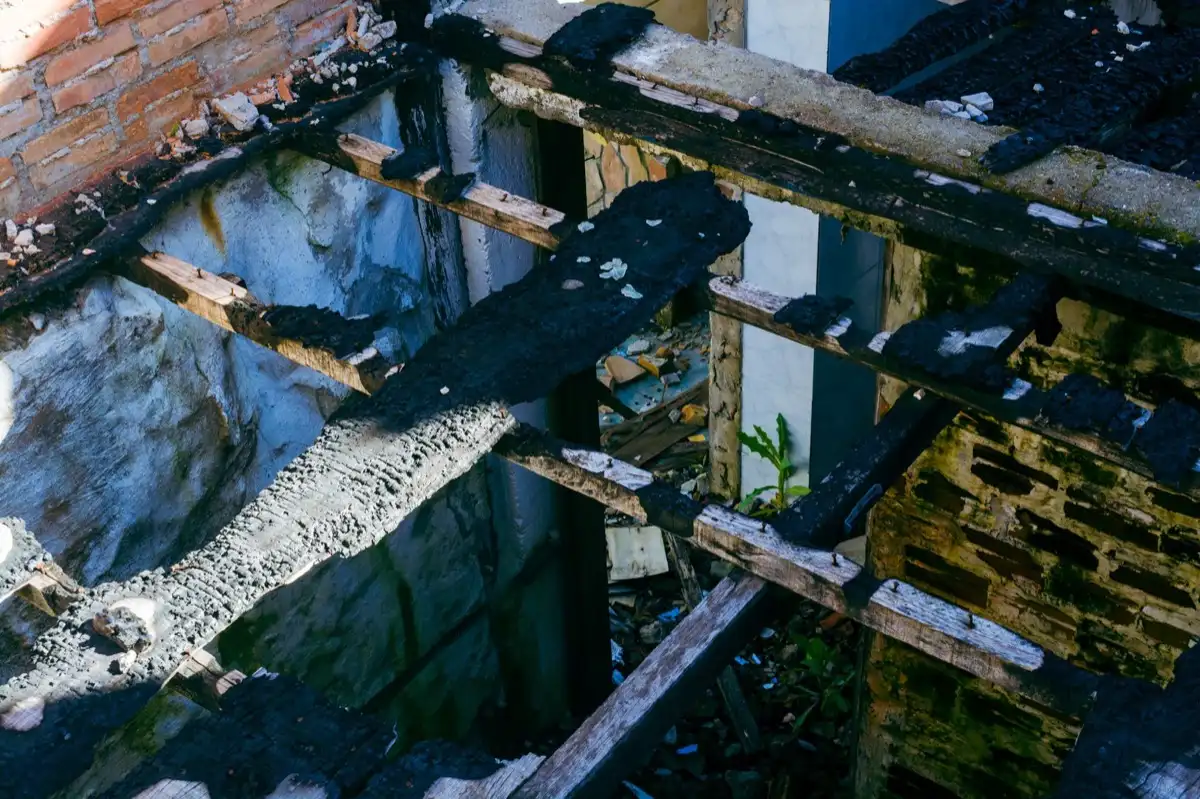
Roof Leak Repair
Seven inches of annual rainfall means water on your ceiling is usually not rain. Before anybody climbs up we ask what ran, melted or overflowed above that stain, because in this town the honest answer is normally something other than the weather.
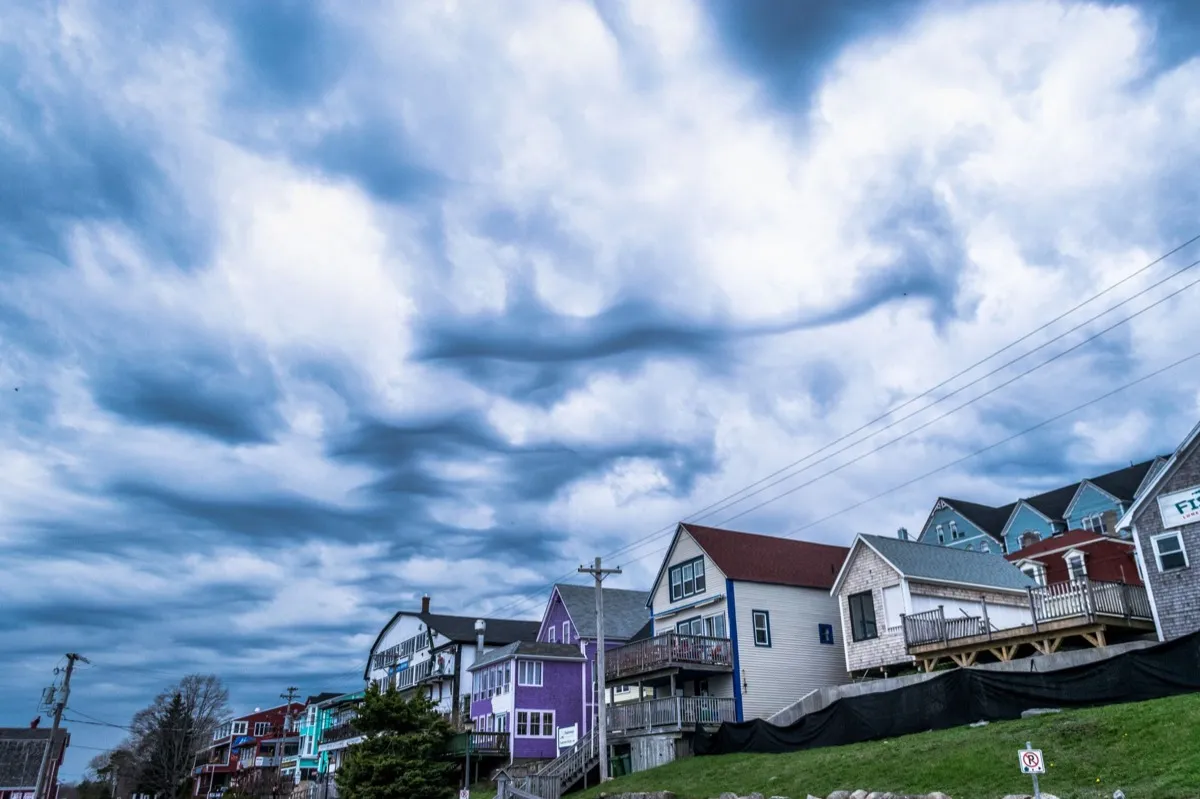
Storm Damage Restoration
Storms here arrive as wind and grit, not as water. A Columbia Basin event that puts work on our board is typically a dry frontal passage with gusts driving fine silt in front of it, and the damage it leaves reads nothing like a Gulf Coast or Midwest claim.
Hail Damage Roofing
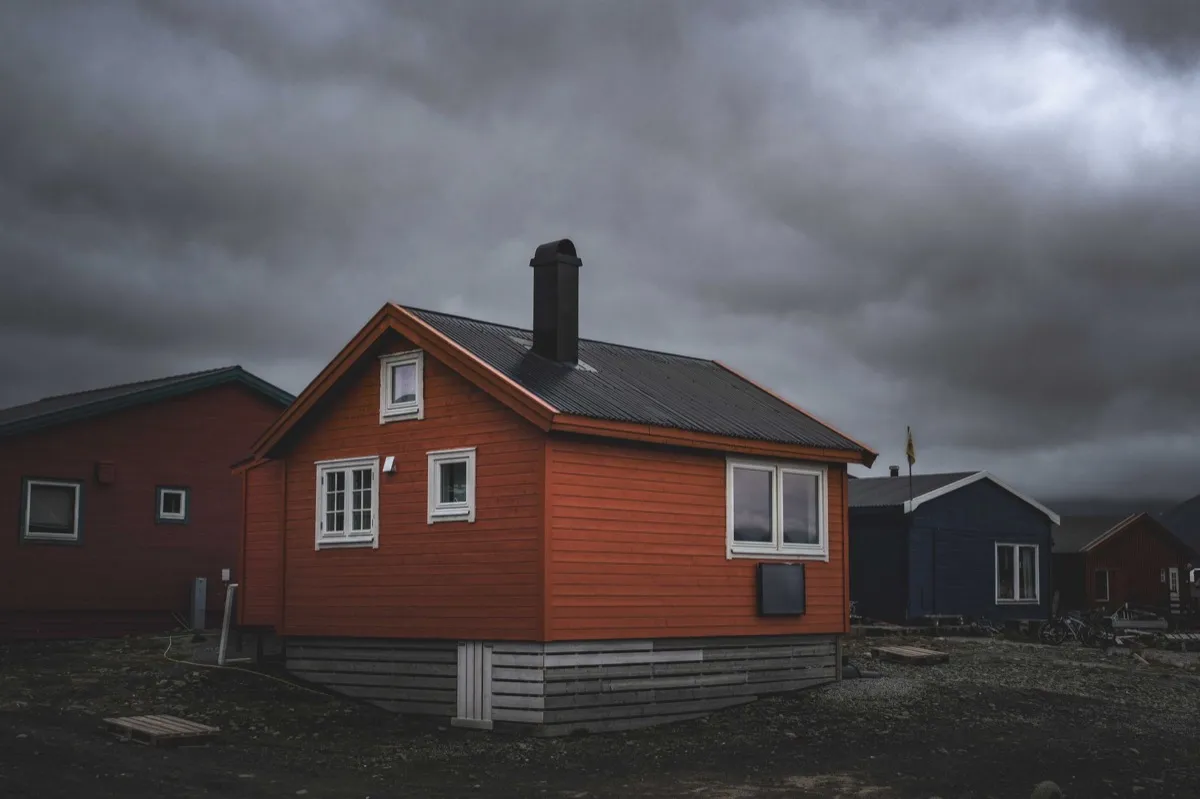
Here is where we part company with our own trade. Hail does fall in the Tri-Cities, but rarely, usually small, and it is not why most Pasco roofs look worn out.
Wind Damage Roofing
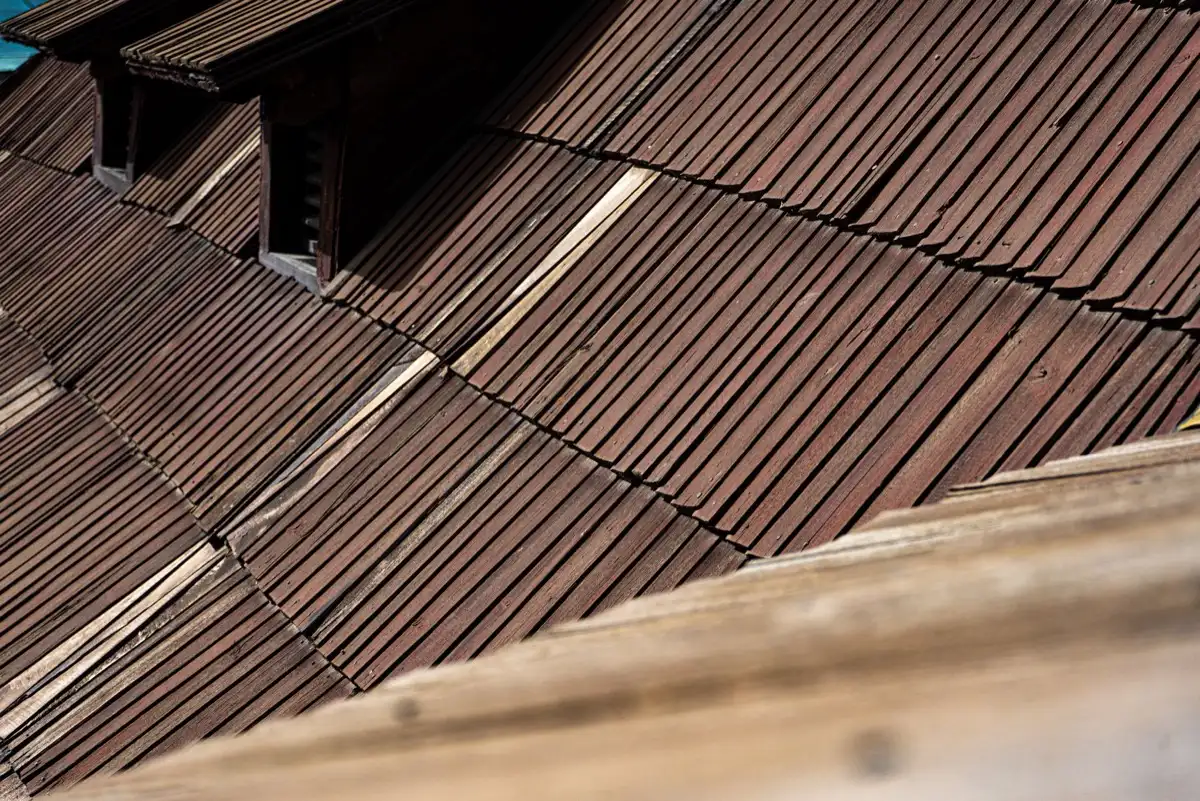
Wind is the load that actually governs a Pasco roof. The city publishes an ultimate design speed of 110 miles an hour in Exposure Category C, with no special wind region and no topographic factor, and that exposure category is doing more work than the speed is.
Roof Inspections
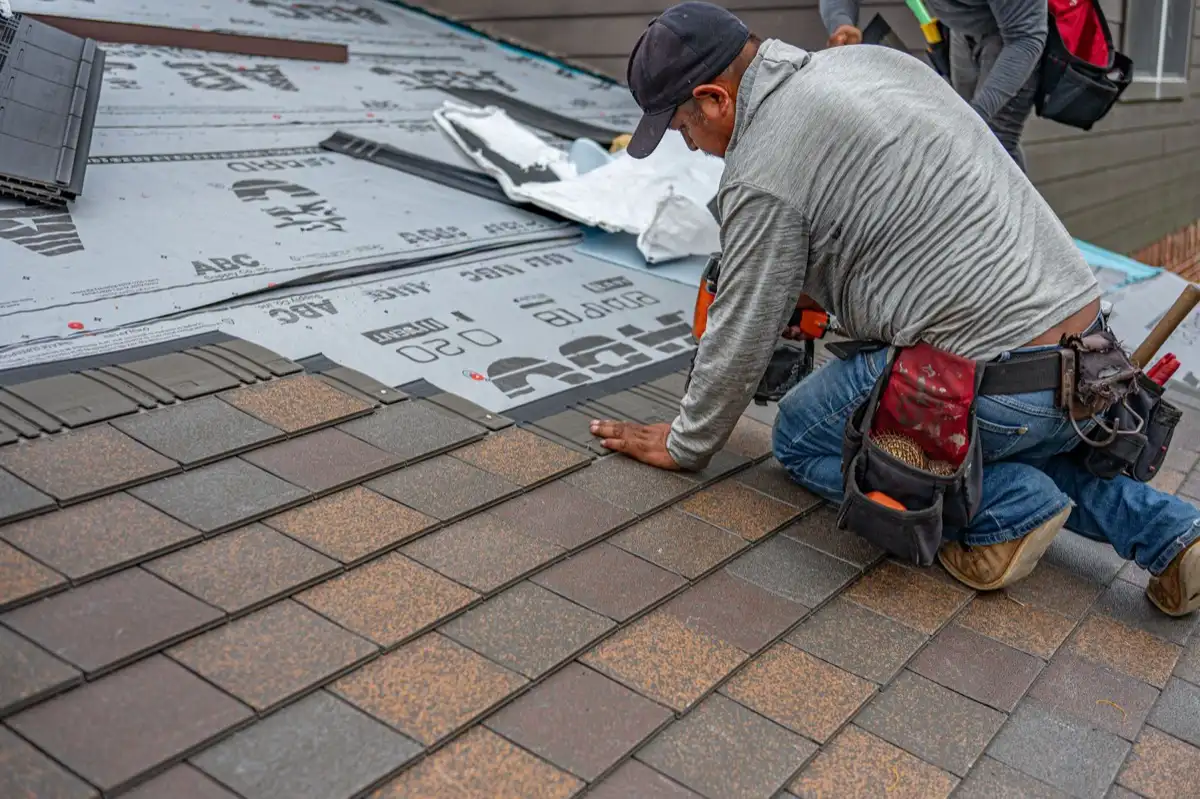
An inspection in a place with seven inches of rain is not a leak hunt. There is rarely a leak to find.
Asphalt Shingle Roofs
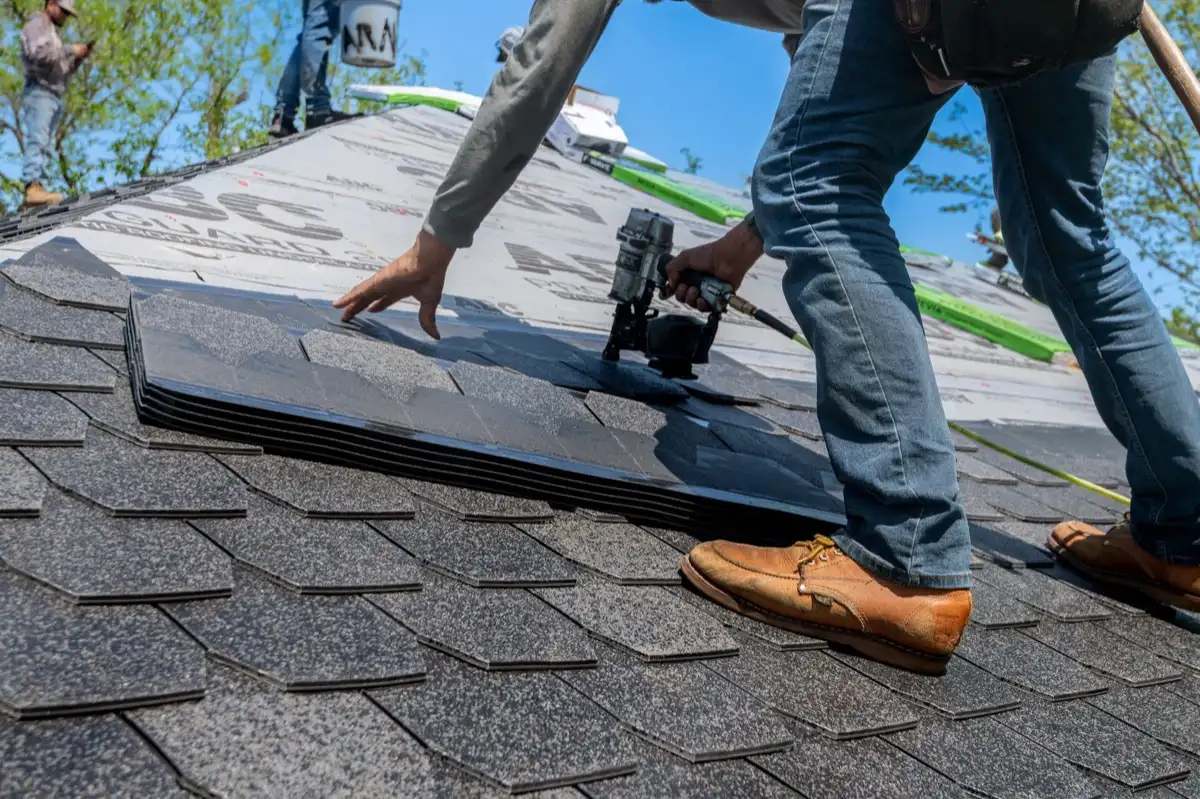
Laminated asphalt covers the large majority of houses in this valley, and the specification that decides how they age is the mat itself rather than the marketing wrapped around it. Pasco asks a shingle to be flexible at an eleven-degree design morning and stable on a deck that clears 150 degrees the same summer.
Metal Roofing
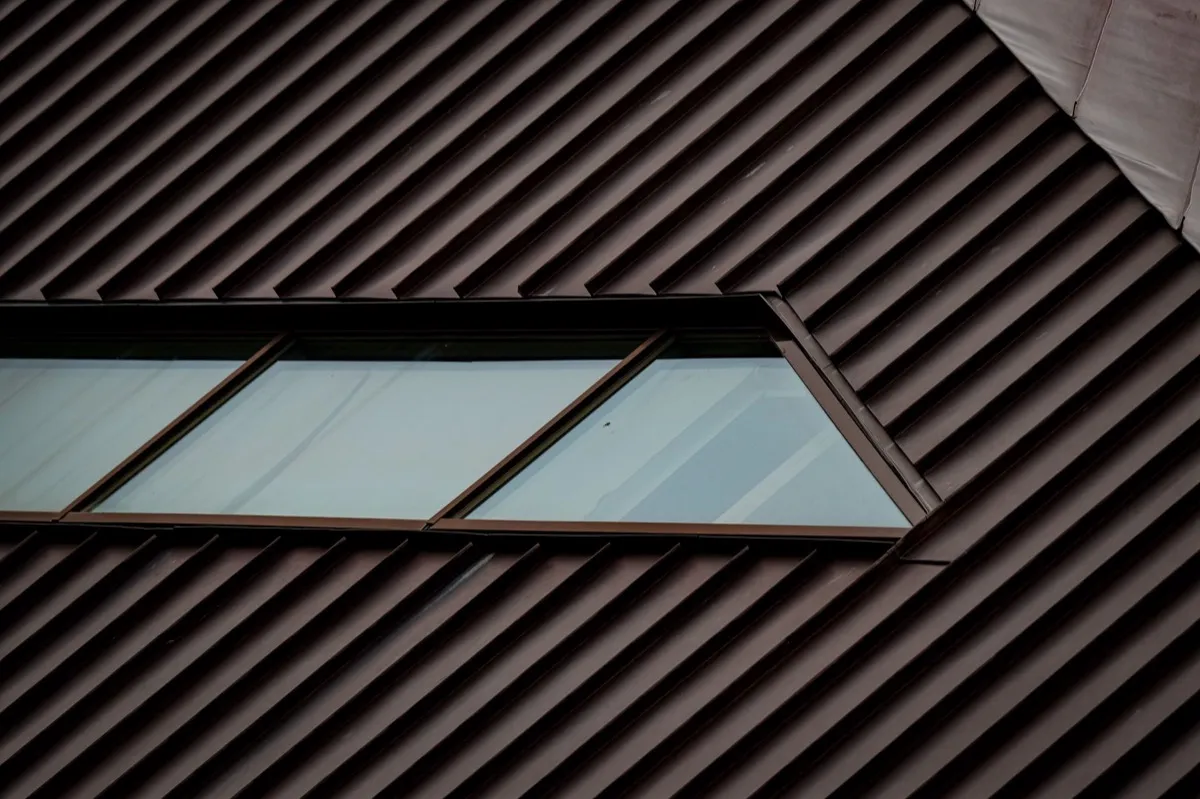
Metal makes more sense in the Columbia Basin than it does in most markets, for reasons that have little to do with snow. A steel panel loses no volatiles to ultraviolet, is untroubled by a ninety-six degree afternoon, and sheds fine silt rather than holding it in a granule layer.
Tile Roofing
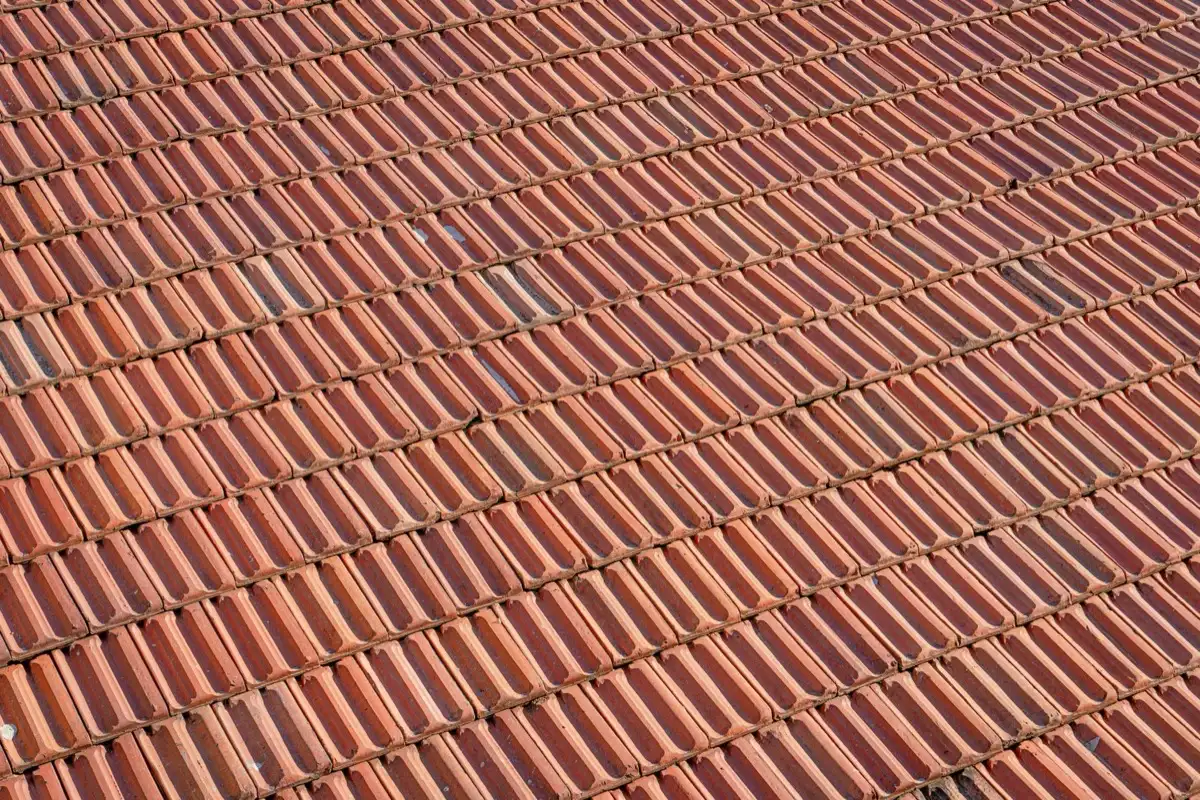
Tile is rare in Pasco and we want to be straight about why. Concrete and clay tile belong to markets with the crews, the supply and the salvage stock to support them.
Flat & Low-Slope Roofing
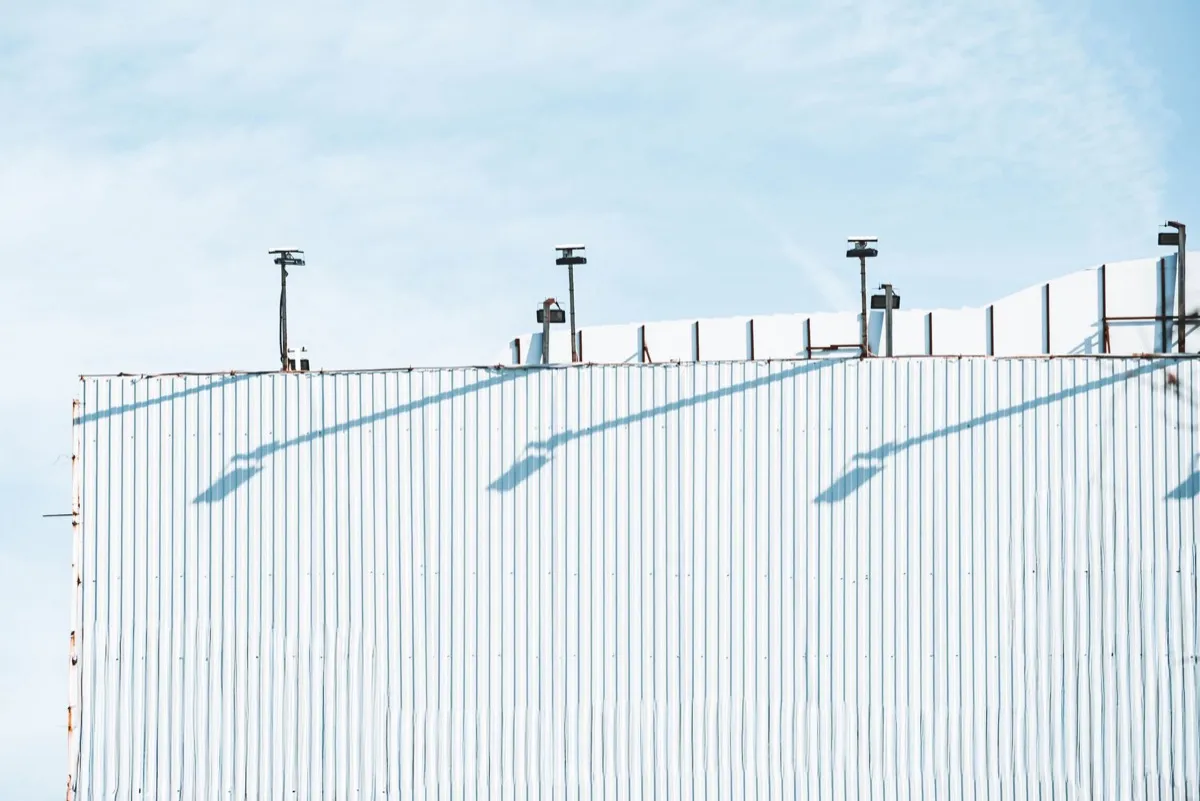
Low-slope work in the basin is governed by two things people underestimate. How much airborne soil settles on a horizontal surface out here, and how violently the little rain we do get arrives when it finally shows up.
Roof Coatings & Sealing
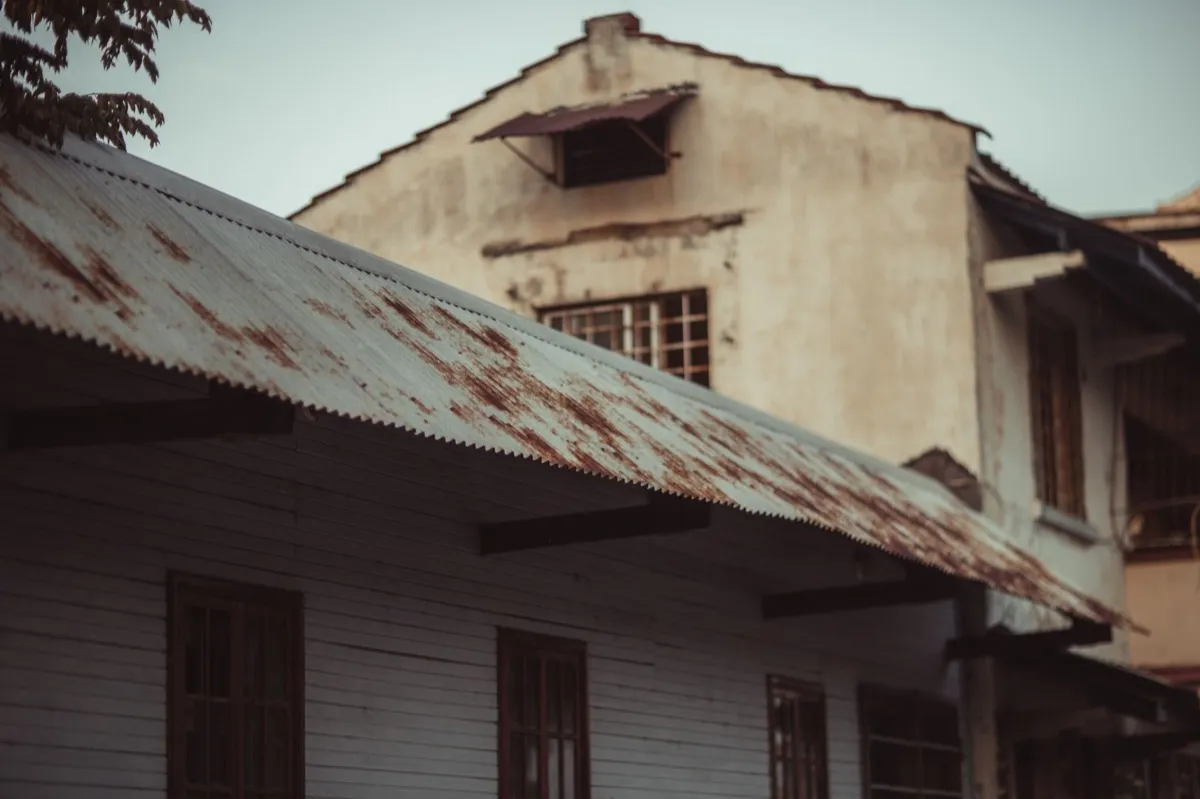
Most of our trade is rightly suspicious of restoration coatings, because in a humid market they are frequently a way to hide a failing roof for two years. Pasco is one of the few places the arithmetic genuinely works, and we would rather explain why than just sell one.
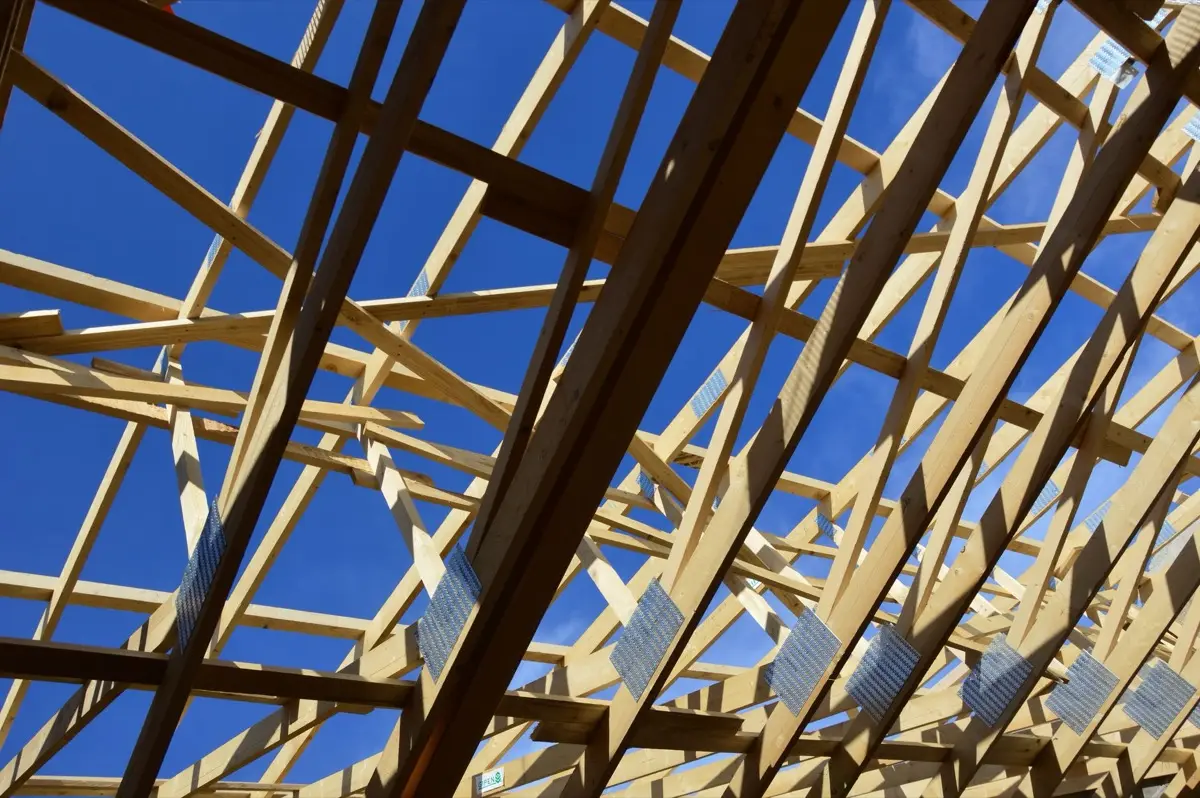
Roof Ventilation
Ventilation arguments on the wet side of this state are moisture arguments. Here they are not.
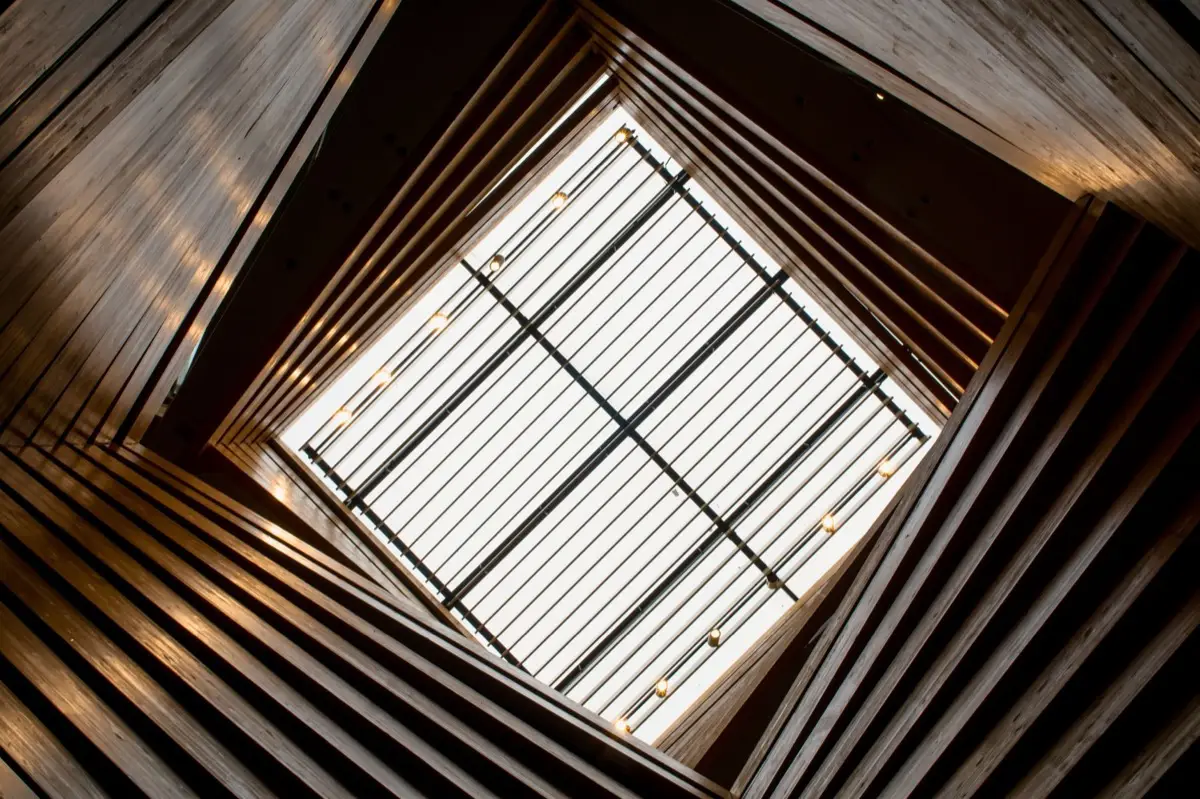
Skylights
A skylight in Pasco is a heat decision before it is a light decision. Elsewhere the pitch is about condensation running down a shaft in February.
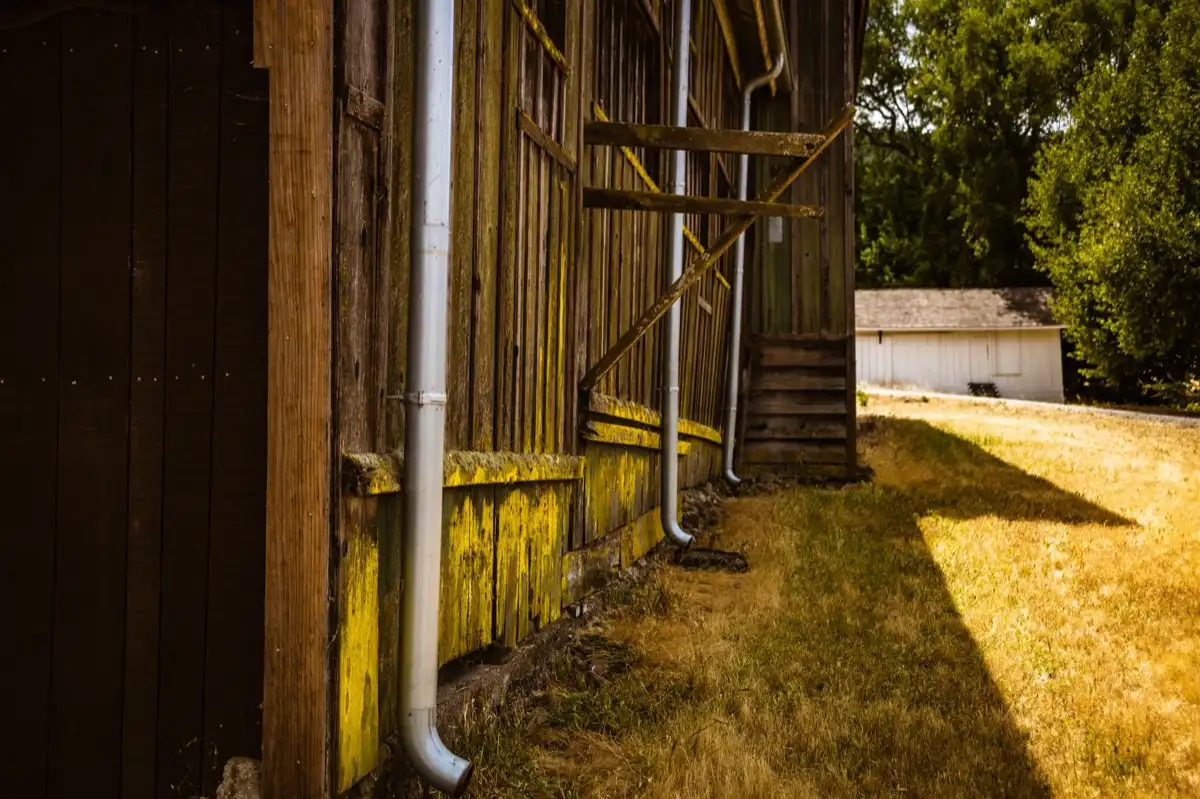
Fascia & Soffit
Fascia in this climate fails nothing like fascia on the coast. It does not soften, it does not go spongy, and you will not put a screwdriver through it.
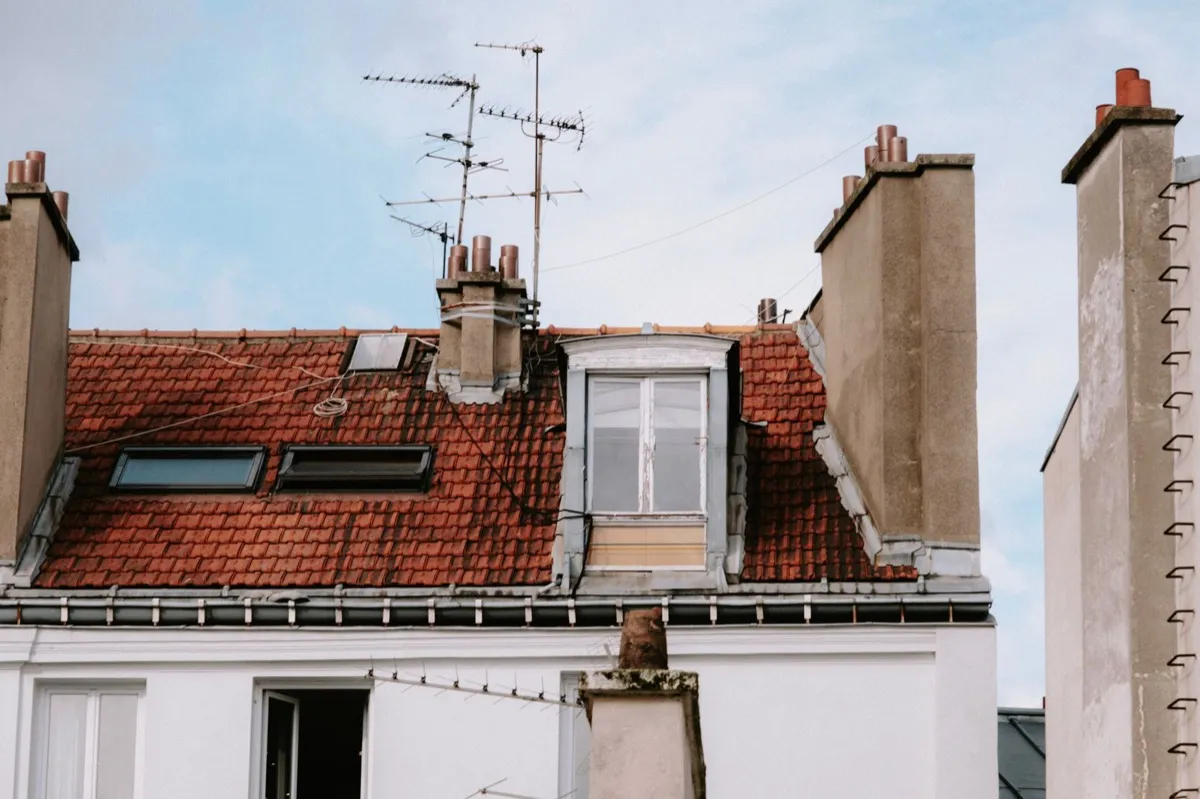
Chimney Flashing
Chimneys are the most common leak source on a house in a climate that barely leaks, and the reason is that a chimney is masonry standing in an environment the city sheet describes as severe for weathering, with an air freezing index of 808 to work on the mortar. That combination attacks the stack itself before it attacks the flashing.
Commercial Roofing
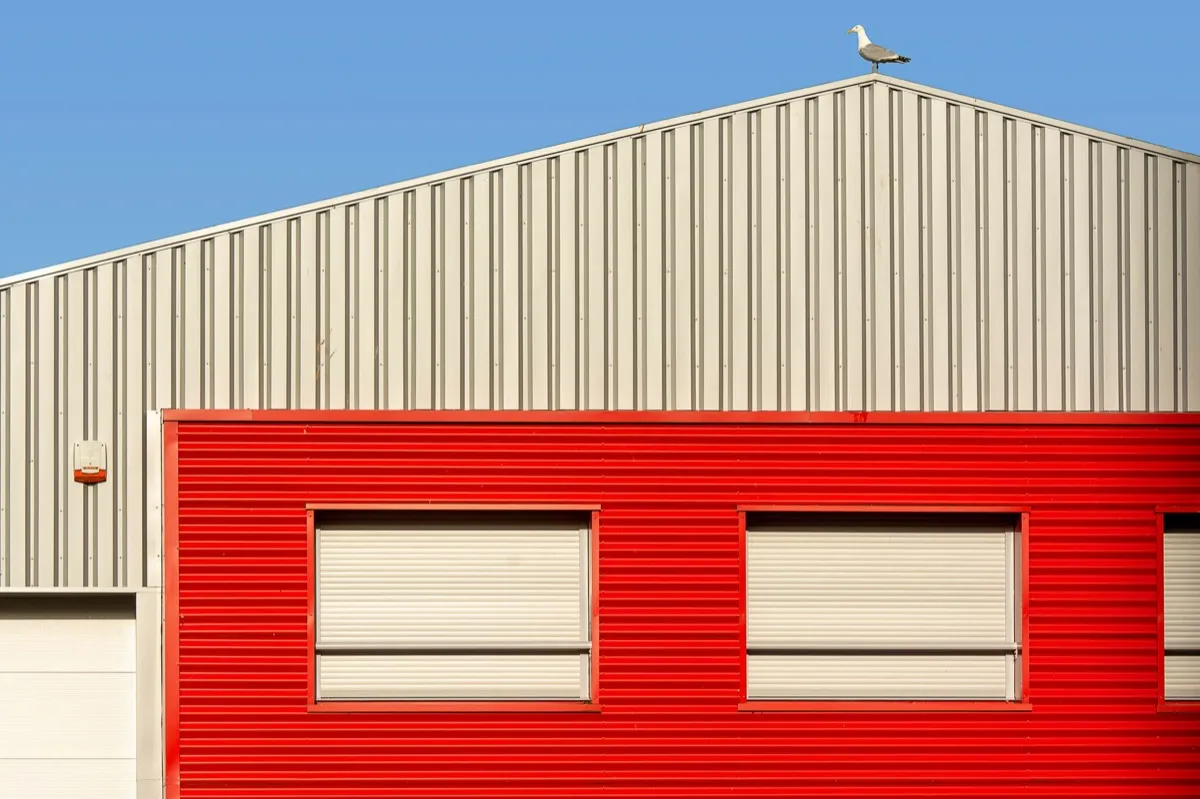
Commercial roofing in Pasco means agriculture and logistics. Potato and onion processing, cold storage, packing sheds, warehouse distribution around the port and the rail yard, and shop buildings on the industrial fringe.
Insurance Claim Help
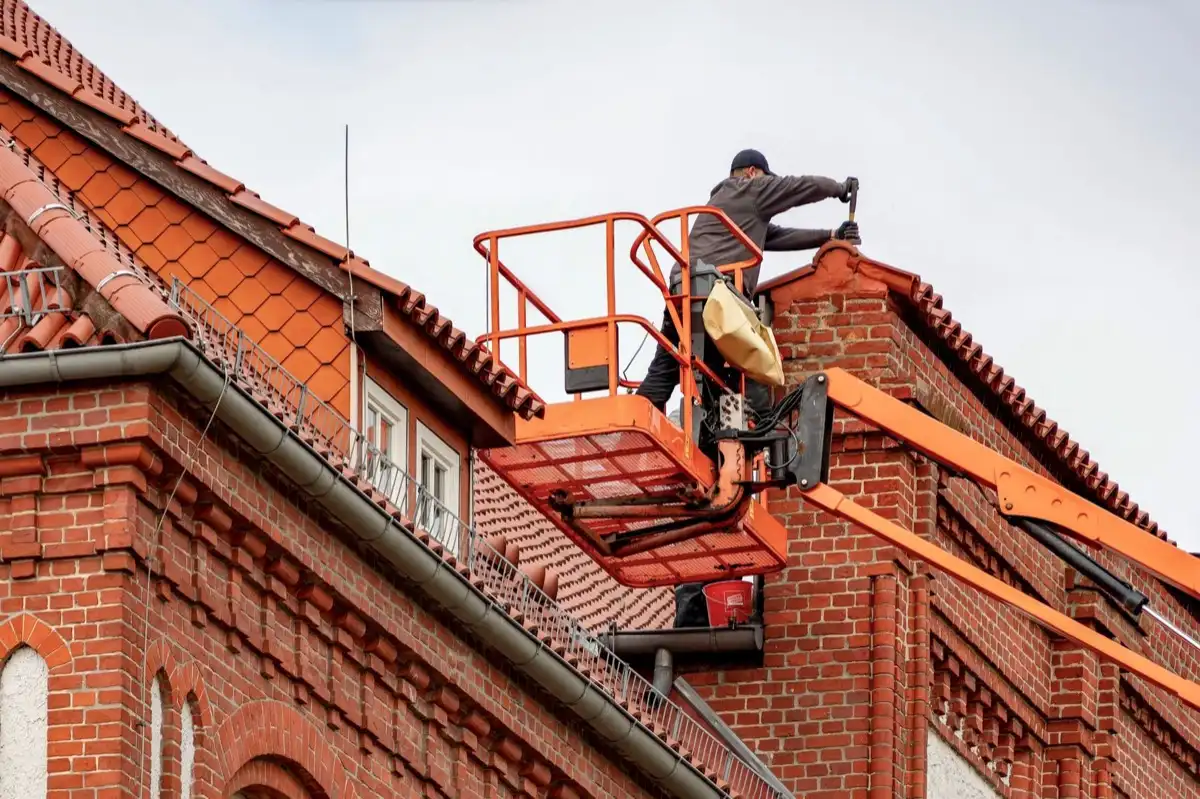
Washington gives you more specific ground on a roofing claim than most states, and remarkably few contractors here mention it. Chapter 19.186 RCW is a roofing and siding statute, and it sets out what a contract on your house has to contain and what a salesperson may not do.
Why Pasco Chooses Pasco Premium Roofing
- ✓We quote from the city's published design table, not a national brochure. Twenty psf of snow, 110 mph ultimate wind at Exposure C, and an air freezing index of 808.
- ✓We measure silt depth in your gutters and drains and write it down in inches, because a packed drain predicts your next interior loss better than shingle age does.
- ✓We refuse the algae-resistant premium and the zinc strips. The organism they suppress needs sustained surface moisture, and this valley has a negative summer moisture load.
- ✓We schedule asphalt work around deck temperature rather than rainfall, and we will move your job to fall rather than lay a soft mat on a 150 degree deck in July.
- ✓We separate hail, abrasion and mechanical damage in writing before a claim is filed, and we will tell you not to file when the evidence says wear rather than weather.
About Pasco Premium Roofing in Pasco, WA
Pasco Premium Roofing works the dry side of Washington, which is a genuinely different trade from the one practiced ninety minutes over the Cascades. Roofs in Franklin County are not fighting moss, saturation or a winter that never stops raining. They are fighting ultraviolet, an eighty-five degree spread between the design winter and the design summer, open-ground wind and a steady deposit of fine basin soil.
So we specify from the City of Pasco design sheet rather than from a national brochure. That means fastening schedules built for Exposure C, sealants selected by published movement class, high-temperature underlayment, intake screens sized to pass dust rather than exclude the smallest possible insect, and drainage sized for a twenty-minute summer cloudburst instead of an annual rainfall total that means nothing on the day.
When not to hire us: if your roof is nine years old, still flexible when we lift a tab, and simply looks tired from the street, we are the wrong call and we will say so on site rather than in a proposal. The same goes for anyone wanting a shingle roof sprayed with a coating, or wanting to file a claim on wear we can show is abrasion. We would rather lose that job than write it.
Communities We Serve
Pasco Premium Roofing serves Pasco, WA and surrounding communities including:
How It Works
A measured look, not a sales call
We walk every plane, lift tabs on the north and southwest exposures separately, record the silt depth in the gutters and at any drain, and photograph what we find against a numbered roof plan. You get that plan whether or not you go on to hire us, and it is written in plain line items.
A written scope with the numbers in it
The proposal names the assembly, the underlayment, the fastening schedule for the wind zones, the flashing details by location and the drainage work, with quantities. Where a repair will do the job we quote the repair. Where we think you should spend nothing at all, the proposal says that too.
Scheduled for the deck, not the calendar
Asphalt work gets booked into spring or fall wherever we can, because a deck past 150 degrees scuffs a soft mat under a boot and a November install will not self-seal until March. If your job has to run in July or December we adjust the method and tell you exactly what changes.
Photographed, permitted and closed out
The deck is photographed before it is covered, the permit goes out under this company, which keeps the inspection history attached to us rather than to you, and every fastener driven during temporary work is logged and dealt with. You finish with the plan, the photographs, the assembly listing and the written warranty.
Recent Projects Across the Tri-Cities and the Columbia Basin
Full gallery →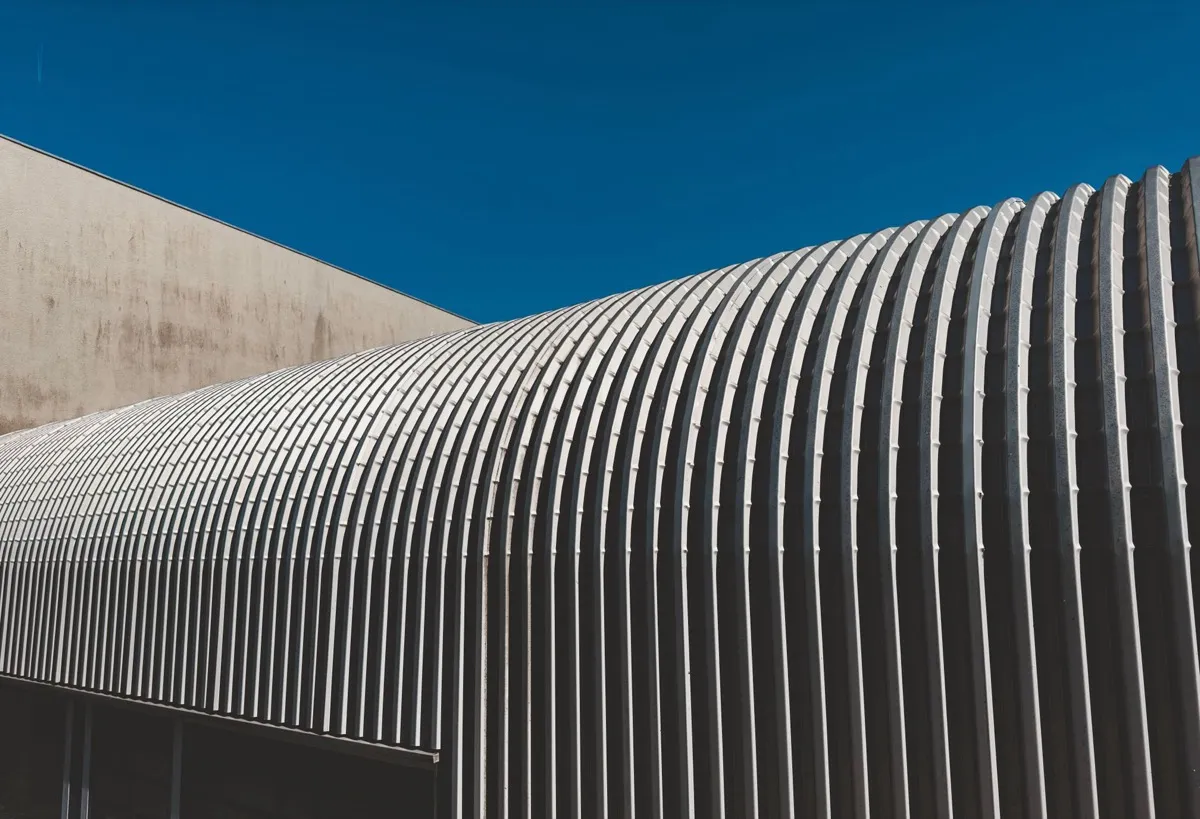
What Pasco Customers Say
They measured the silt in our gutters and talked us out of work we did not need. Saved us most of the quote.
Adjuster wanted to call our worn southwest plane hail. These folks showed him the north plane photos side by side and explained the abrasion. Honest read, even though it cost them the bigger job.
Booked us into September rather than taking the July slot, and explained exactly why the deck temperature mattered. Crew tightened the fastening at every corner and rake without being asked.
Our shop roof screws were backing out along the windward slope. They replaced the washers, resealed the panel laps and did not try to sell a whole new roof. Straight answer, fair price.
Commercial and agricultural roofing across the Columbia Basin
Our commercial work is shaped by what this basin actually builds: cold storage and freezer space, potato and onion processing, packing sheds, distribution warehousing near the port and the rail yard, and shop buildings on the industrial fringe. Those roofs carry process exhaust, heavy silt deposition and a vapor drive that runs the opposite direction to the one most detail manuals assume. We survey, phase and document accordingly.
- ✓Freezer and cooler assemblies detailed for an inward vapor drive
- ✓Reinforced thermoplastic membrane over high-density cover board
- ✓Two-ply SBS modified bitumen on smaller or complicated roofs
- ✓Standing seam and structural panel on ag and shop buildings
- ✓Tapered insulation cut to a re-surveyed drainage layout
- ✓Accessible drains, liftable strainers and overflow provision
- ✓Tested-rating edge metal fastened to match the wind exposure
- ✓Phased night and weekend work through pack and harvest season
Frequently Asked Questions
Does Pasco really need an ice and water shield at the eaves?
The city's design criteria sheet says no, and for most houses that is correct. We still recommend buying one on north and east overhangs above an attic with thin or gapped insulation. The air freezing index here is 808, which is small but not zero, and that one January week when a warm attic melts snow onto a cold overhang is where nearly all of our winter leak calls come from.
Are algae-resistant shingles worth the extra cost here?
No. The premium buys copper-bearing granules that suppress the cyanobacterium behind black streaking, and that organism needs sustained surface moisture to establish. With rainfall in single digits and a negative summer moisture load, it is not a factor in this valley, and neither are the zinc strips sold for the same purpose. Put the money into an SBS-modified mat or better underlayment instead.
Why does my roof look worn on one side and new on the other?
Because the wear is directional. Fine Columbia Plateau soil carried on the wind acts as a mild abrasive, and it strips granules from the southwest and west planes years before the north plane shows anything. Hail would leave a random pattern across every exposure and matching dents in your gutter apron and vent hoods. If those soft metals are clean, you are looking at abrasion, not a covered loss.
Do I need gutters all the way around the house?
Usually not. At about seven inches of rain a year, gutter here is protecting the soil against your foundation rather than protecting the roof. We normally recommend trough over doors, walkways and below-grade entries, plus wherever backfill sits against the wall, and then spending the saving on leaders that carry water well clear of the building rather than dribbling it at the base.
What time of year should a Pasco roof be replaced?
April into early June, and September through October. The reason is deck temperature rather than rain. By mid-morning in July a roof deck here runs past 150 degrees and a warm asphalt mat scuffs under a boot before it has been nailed off. In late November the factory sealant strips may not bond until spring, which leaves a full wind season on nails alone.
Is a roof coating a good idea or a way to hide a bad roof?
Both, depending on where you are. In humid markets it is often a delay tactic. Here the long dry cure window makes it genuinely economic, and it lets us specify a water-based acrylic rather than silicone on a sound, well-drained roof. The catch is preparation: a membrane in this valley carries a film of fine soil, and coating over it bonds an expensive product to dirt.